
SYMBOLS OF HEALTH IN MODERN SOCIETY
Why are the snake and staff symbols of health? How did the Red Cross emblem originate? Is the apple really a symbol of a healthy lifestyle? and more...
4/26/20267 min read
Modern society increasingly uses symbols—simple visual elements to which we assign specific meanings. From everyday messaging communication, to labels on packaging, to logos of companies, institutions, and personal brands, symbols are designed to convey ideas clearly and without words.
Health also has its symbols—visual signs that communicate vitality, care, and attention. Many of them appear in logos of healthcare institutions, cosmetic and wellness centers, and prevention-focused brands. We see them from an early age and intuitively understand them, but the question remains: why exactly these symbols, and how accurate is the message they convey? Below we explore the symbolism of health in modern society, their origins, and the reality behind their meaning.
Symbols of healthcare institutions
Snake and staff – the symbol of health
The snake wrapped around a staff is a health symbol originating from Greek mythology. According to legend, the god Asclepius once observed a snake helping another injured snake recover through its presence and behavior. Fascinated by this act of renewal and healing, Asclepius adopted the snake as his symbol and placed it around a staff. Because of its ability to shed its skin, the snake became a symbol of regeneration and transformation. At the same time, snake venom represents dosage awareness—anything can be both medicine and poison depending on the dose. The elegant form of the snake around the staff conveys expertise and trust, which is why it has remained a symbol on pharmacy and emergency service logos for centuries.
Cross – symbol of humanity and neutrality
The cross, today recognizable in a medical context, originates primarily from the International Red Cross organization. Its emblem is actually an inverted Swiss flag—a white cross on a red background. This simple yet powerful sign became an universal symbol of aid, safety, solidarity, and neutrality in conflict. Its form and color have evolved in design over time, but the core message remains clear: the presence of the cross immediately signals medical assistance, protection, and care. Today, the cross symbol is used in pharmacies, hospitals, medical centers, and humanitarian initiatives worldwide.Health also has its symbols—visual signs that communicate vitality, care, and attention. Many of them appear in logos of healthcare institutions, cosmetic and wellness centers, and prevention-focused brands. We see them from an early age and intuitively understand them, but the question remains: why exactly these symbols, and how accurate is the message they convey? Below we explore the symbolism of health in modern society, their origins, and the reality behind their meaning.
Organ symbols – focused health
Medical instruments such as the stethoscope, scalpel, syringe, or microscope symbolize expertise, precision, and knowledge. The stethoscope is a particularly recognizable medical emblem; its simple form immediately evokes professionalism and patient care. Other instruments often represent specific medical fields, from surgery to laboratory diagnostics. Through such symbols, visual communication clearly conveys professionalism, precision, and trust.
Organ symbols – focused health

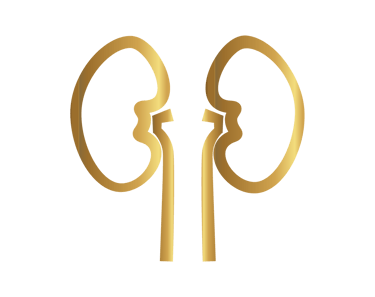
Alongside medical instruments, stylized visual representations of human organs—such as the heart, lungs, stomach, or brain—are often used in specialized institutions and brands. These symbols communicate internal health and bodily functions, emphasizing expertise and professionalism. They suggest that caring for the body includes caring for the function of individual organs.
It is important to note that symbols such as hands and hearts will be explored separately, as they represent not only physical health but also emotional connection, care, and attention.
Symbols of prevention and health preservation
Leaf – symbol of nature and purity
The leaf is a symbol of nature, plant life, and organic origin. It frequently appears on packaging of natural cosmetics, organic food products, and in visuals of nutrition and wellness centers. Its message is multi-layered: connection to nature, sustainability, and clean ingredients that support health. It also conveys vitality and balance.
Drop – symbol of life and vitality
The drop is a universal symbol of liquid and life. As a drop of blood, it appears in laboratory and medical visuals, symbolizing care and precision. As a water drop, it represents hydration and energy. As an oil drop in cosmetics, it indicates purity and natural composition. In all contexts, it conveys life and care for the body.
Egg – symbol of renewal and new beginnings
The egg is a globally recognized symbol of vitality, energy, and renewal. It represents not only physical strength but also transformation and new beginnings, aligning with holistic health approaches that include physical, mental, and emotional well-being.
Apple – symbol of healthy habits
The apple is one of the most recognizable health symbols, rooted in the saying “an apple a day keeps the doctor away.” It conveys prevention and daily healthy habits.
However, it is more symbolic than scientifically literal; its strength lies in simplicity and cultural recognition. Consumption of apples on daily basis is not medicine on its own, it only represents the message of healthy choices without scientific prove.
Grains and seeds – symbol of energy and wholenesse
Grains symbolize nutrition, energy, and abundance. They represent the foundation of a balanced diet and are commonly used in nutrition branding.
Berries and nuts – symbols of small healthy choices
Berries and nuts represent prevention, vitality, and strength. They highlight small but powerful daily choices that support long-term health. They are often used in combination with other health symbols in visual identities of nutririon centers and wellnes brands with role of amplifying message of prevention, naturality and well- being. They represent strong elements in design with evocation of votality and natural health.
Heart – symbol of emotional connection and care

The heart symbolizes love, empathy, and emotional well-being. In health contexts, it emphasizes that health includes both physical and emotional dimensions. Its presence in visual identity of health institutions, nutrition cemters or wellness brands clearly shows that health includes also emotional wealth.Heart as a symbol emphasize connection, care about others and unity that improve integrational approach to health and prevention.
Hands – symbol of protection and support
Hands symbolize care, protection, and tangible support, as well as the value of work, effort, and dedication invested in preserving the health of others. In the visual identity of healthcare institutions, nutrition centers, and wellness facilities, hands clearly convey the message that someone is “taking care of your health,” caring for your body and mind, and investing effort in every step of the process. The stylization of hands can be minimalist or more detailed, but the message remains clear: attention, empathy, practical support, and commitment. When combined with other symbols of health, hands enhance the sense of safety, warmth, and connection, emphasizing that health encompasses both physical and emotional dimensions, and that caring for one’s health is built through conscious and engaged effort.
Symbols of aesthetics and balance
Flower and botanical motifs – symbol of harmony and integrity
Flowers and botanical motifs in design symbolize balance, harmony, and wholeness, while also conveying a sense of naturalness and well-being. In addition to classic floral elements, visual communication often incorporates branches, plant patterns, herbs, and stems, further emphasizing naturalness, organic origin, and harmony with the environment.
In the logos of wellness brands, cosmetic companies, or nutrition centers, botanical motifs contribute to visual appeal and a sense of softness, while balancing the message of expertise and professionalism conveyed by other symbols. Their presence helps communicate a holistic vision of health, where aesthetics, naturalness, and well-being all contribute to the body’s balance.
Silhouettes of the body and face – symbols of aesthetic balance

Minimalist body silhouettes convey vitality, harmony, and balance, emphasizing a holistic approach to health. Their elegant lines and shapes suggest energy, movement, and feeling comfortable in one’s own skin. Through such visuals, the symbolism goes beyond the physical form and reflects wholeness and balance.
Facial silhouettes, on the other hand, focus on inner balance, calmness, and emotional well-being. Minimalist facial contours symbolize clarity, self-awareness, and a well-groomed appearance, connecting the psychological and aesthetic aspects of health. When combined with botanical motifs, these silhouettes contribute to a sense of completeness — physical, psychological, and aesthetic dimensions together communicate the message of a healthy, balanced lifestyle.
CONCLUSION
Symbols of health in contemporary society play multiple roles: from classic signs of expertise and protection to elements associated with prevention, vitality, and aesthetics. The snake, the cross, medical instruments, and symbols of human organs clearly communicate professionalism, precision, and internal care, while other symbols such as eggs, droplets, apples, grains, berries, hands, and hearts convey a holistic message of preserving health, vitality, and emotional connection.
Aesthetics and balance further enrich this symbolism. Flowers, botanical motifs, and body and facial silhouettes emphasize harmony, beauty, and psychological well-being, demonstrating that health is not merely the absence of illness, but a state of overall wellness.
Ultimately, symbols of health serve not only as aesthetic elements, but also as a universal language of communication that educates, inspires, and encourages individuals to take responsibility for their bodies and the environment. Through the combination of different symbols, a message of authenticity, care, and a holistic approach to health is conveyed.
Yours. Healthy. Authentic.
MINUTRIO
Adresa
3721 Single Street
Quincy, MA 02169
Contact
+387 63/764-202 (Viber)
minutrio@minutrio.com