

NITROSATIVE STRESS – A STEP BEYOND OXIDATIVE STRESS
It seems that the story of cellular damage caused by free radicals is far more complex than we once assumed...
4/10/20263 min read
For decades, oxidative stress and the resulting damage caused by reactive oxygen species—so-called oxygen free radicals—have attracted attention in both medicine and the general public. This type of stress can damage proteins, lipids, and DNA, and is associated with the development of many diseases as well as theories of aging. Our first line of defense is antioxidants—compounds that neutralize harmful radicals and help the body maintain homeostasis, a natural state of balance.
Natural antioxidants include vitamins such as vitamin C, provitamin A (beta-carotene), and vitamin E, as well as plant compounds like anthocyanins in blueberries, lycopene in tomatoes, and curcumin in turmeric. By consuming vegetables, certain fruits, nuts, seeds, cold-pressed oils, and spices, we support our body’s defense mechanisms.
What are nitrosative stress and NO?
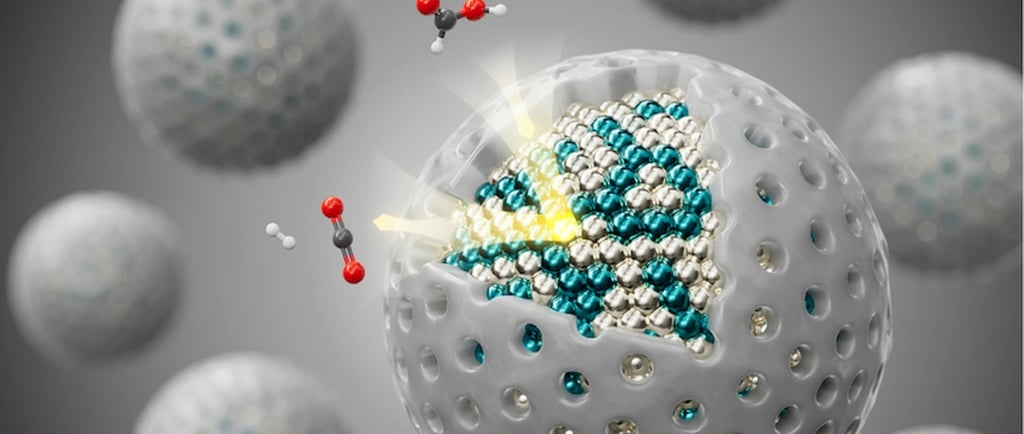
A newer term in cellular biology has emerged—nitrosative stress—which describes damage caused by reactive nitrogen species. These compounds damage lipids, proteins, and DNA, but also lead to protein nitrosation and the formation of peroxynitrite, a highly reactive compound formed when nitric oxide (NO) reacts with oxygen free radicals.
NO is essentially a “gas in blood vessels”—beneficial for circulation, but when it interacts with free radicals, it creates a “spark” that can damage cells.
Oxidative and nitrosative stress rarely act separately—they often occur together and amplify each other’s harmful effects on cells.
Where does nitric oxide in the body come from?
The main source of NO is the family of enzymes called nitric oxide synthases (NOS), which produce it in blood vessels, the brain, and immune cells. This NO is beneficial—it promotes vasodilation, improves circulation, and supports nervous system signaling.
However, under conditions of oxidative stress, NO reacts with superoxide radicals to form peroxynitrite, increasing nitrosative stress. In addition, nitrites and nitrates from food—especially processed meat products—can contribute to total NO levels as a secondary source and become more relevant when oxidative stress is already present.
Nitrosative and oxidative stress in diabetes
In diabetes, elevated blood glucose levels increase the production of superoxide radicals in cells. When these radicals react with NO, peroxynitrite is formed, damaging the endothelium—the inner lining of blood vessels. This is a key mechanism behind vascular complications in diabetes and an example of how oxidative and nitrosative stress act together.
It is also worth noting that high intake of trans fats, found in many sweets, margarine, and processed foods, further increases oxidative and nitrosative stress by reducing the body’s natural antioxidant capacity.
How to increase the body’s antioxidant capacity?
Proper nutrition and a healthy lifestyle are essential for maintaining balance and protecting the body from oxidative and nitrosative stress. Here are practical steps:
1. Nutrition
Reduce intake of processed meat products such as salami, sausages, and canned meats, as they may increase NO under oxidative stress conditions.
Avoid excessive refined sugars, white flour products, and sugary drinks, as they accelerate free radical formation and deplete antioxidant capacity.
Limit trans fats found in margarine, industrial snacks, and fast food, as they increase cellular stress.
Reduce alcohol intake, as it increases oxidative stress and impairs cellular repair.
Increase intake of vegetables and fruits—especially spinach, kale, broccoli, peppers, berries, and citrus fruits.
Eat nuts and seeds in standard portions—almonds, walnuts, and seeds rich in vitamin E and healthy fats.
Use cold-pressed oils, especially olive oil, instead of industrial fats.
Choose whole grains (oats, barley, brown rice) to help stabilize blood sugar and reduce oxidative stress.
Minerals such as zinc and selenium play an important role in antioxidant defense, though levels are difficult to measure and excessive supplementation can be risky. Magnesium, however, can be easily assessed and supplemented if needed, as it supports antioxidant enzymes in neutralizing oxidative and nitrosative stress. ne (zob, ječam, smeđa riža) pomažu u stabilizaciji šećera u krvi i smanjenju oksidativnog stresa.
2. Lifestyle
Regular moderate physical activity—30 minutes of walking, light jogging, or cycling improves circulation and metabolism and strengthens antioxidant systems.
Quality sleep—7–9 hours of sleep is essential; during sleep the body repairs oxidative and nitrosative damage.
Time in nature and fresh air—walking or outdoor activity increases oxygen supply and improves cellular efficiency in neutralizing radicals.
Stress management—breathing exercises, yoga, or short breaks reduce psychological stress that further increases oxidative and nitrosative stress.
Small daily habits—replace sugary drinks with water, include vegetables with every meal, and reduce excessive coffee and energy drink intake.
CONCLUSION
Nitrosative stress represents a deeper level of understanding of cellular damage. Oxidative and nitrosative stress act together, and the balance between free radicals and antioxidants is essential for health.
Proper nutrition and a healthy lifestyle are not just recommendations—they are the foundation of resilient cells. Understanding why these processes occur helps us make conscious decisions for long-term health. Small daily changes can make a significant difference.
Yours. Healthy. Authentic.
Adresa
3721 Single Street
Quincy, MA 02169
Contact
+387 63/764-202 (Viber)
minutrio@minutrio.com