

ENDROCRINE DISRUPTORS – HOW EVERYDAY OBJECTS AFFECT HORMONAL HEALTH?
How safe are food packaging, cookware, and other everyday items that come into contact with food?
5/3/20263 min read
The endocrine system is a complex network of glands that produce hormones and regulate essential body functions, including metabolism, energy, mood, and reproduction. The pituitary gland, thyroid, adrenal glands, reproductive glands, and parathyroid glands work in coordination to maintain hormonal balance in the body. Although present in small amounts, hormones play a crucial role in overall health.
In modern life, we are frequently exposed to chemicals that can interfere with normal hormonal function. These substances are called endocrine disruptors. They can reduce hormone production, block their action, or accelerate their breakdown. Their effects are not immediate but become significant with long-term and repeated exposure, especially in individuals who already have hormonal imbalances or a genetic predisposition.
Common sources of endocrine disruptors
When it comes to factors in contact with food, endocrine disruptors in everyday life most often come from packaging and cookware:
Plastic: Polycarbonate (PC) packaging (baby bottles, water bottles, water dispensers) may contain BPA (bisphenol A), which can migrate into food or drinks when exposed to high temperatures or damaged plastic. PE (polyethylene) and PP (polypropylene) plastics are generally safer for limited reuse. PET (polyethylene terephthalate) is considered relatively safe for single use. On the back of every plastic bottle or container there is a label indicating the material (PET, PE, PP, PC, etc.). It is advisable to read labels carefully and choose undamaged packaging accordingly.
It is also worth noting that original ice cream containers are not a safe option for storing food at room temperature or higher temperatures, which is a common practice. This type of plastic is designed for freezer temperatures and may release harmful substances when exposed to heat. In addition, these containers are often intended for single use and should not be reused for long-term food storage.
Paper and cardboard packaging: While cellulose paper itself is relatively neutral, additives, coatings, and treatments are often used to make it stronger, grease-resistant, and heat-stable. Recycled paper can be particularly problematic. Glues, inks, and coatings may reduce its safety, especially for long-term storage of hot or fatty foods.
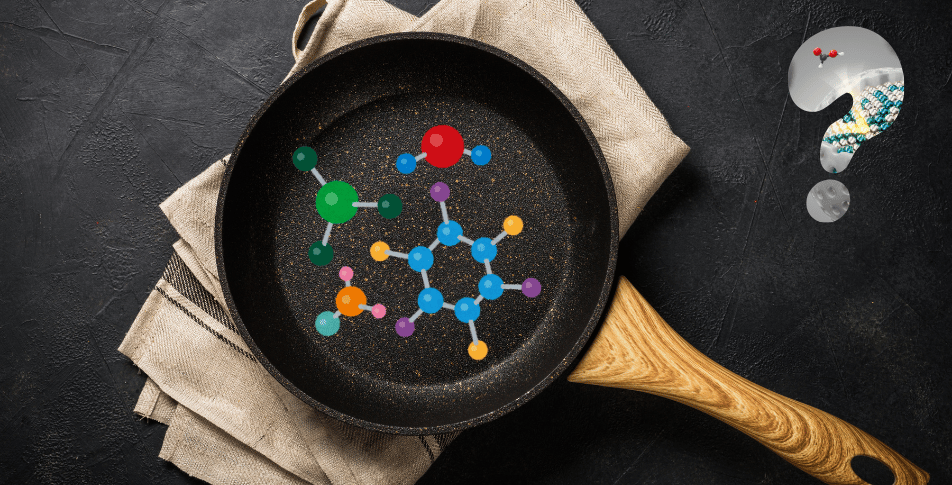
Non-stick cookware: Teflon pans and similar non-stick coatings are generally safe when used correctly and occasionally. However, damage or exposure to very high temperatures may increase the risk of chemical release.
Adhesives and inks in food packaging: Printing inks and adhesives are another relevant factor. Almost all packaging—single-use or reusable—may be printed for commercial purposes. Residual printing inks can contribute to long-term exposure. Their effects are usually not immediate but accumulate over time through a “cumulative effect.” This is important because we are daily exposed to various industrial packaging and materials that come into contact with food. Reducing exposure where possible is recommended.
It is important to understand that the presence of these materials does not automatically mean harm. Risk depends on exposure frequency, material condition, and usage habits. A particular concern are PFAS (per- and polyfluoroalkyl substances), found in some non-stick coatings. These are also known as “forever chemicals” because they are not biodegradable and can accumulate in the body over time.
Who is more sensitive to endocrine disruptors??
The impact varies between individuals. People with existing hormonal imbalances, genetic predispositions, or long-term exposure may be more sensitive. However, preventive measures can reduce risk over time.
How to reduce exposure to endocrine disruptors?
1. Choice of packaging
Glass is the most neutral material for storing food and beverages. Whenever possible, store food in glass containers and transfer dry goods such as rice, pasta, or spices into glass or metal containers. Metal is a good alternative but not ideal for acidic foods due to potential reactions.
2. Safe cookware for food preparation
No cookware material is perfect. Stainless steel is generally quite inert, though nickel and chromium may leach when in contact with acidic foods. Cast iron is relatively safe but not ideal for acidic dishes. Ceramic and enamel cookware are considered safe if the coating is intact. Heat-resistant glass is inert but requires careful handling to avoid thermal shock. Non-stick pans should not be used daily; they require careful use, avoidance of damage, and high temperatures.
A balanced approach includes rotating different cookware materials depending on the cooking method and food type.
33. Reducing single-use packaging
Avoid single-use plastic and paper packaging, especially colored ones. Instead, use reusable glass or metal containers. This reduces overall exposure and supports a more sustainable lifestyle. When plastic must be used, prefer PE and PP within recommended reuse limits. PET should not be reused.
4. Water bottle usage
Reusable glass bottles are preferable to disposable ones. Proper cleaning and maintenance reduce chemical transfer into liquids and prevent microorganism buildup.
CONCLUSION
Endocrine disruptors are not the only factor affecting hormonal health, but their presence—combined with diet, lifestyle, and existing medical conditions—can be significant.
Small, continuous changes—such as replacing plastic with glass, using cookware more consciously, and increasing awareness of safer choices—build the foundation for long-term hormonal balance and a healthier, more mindful lifestyle.
Yours. Healthy. Authentic.
MINUTRIO
Adresa
3721 Single Street
Quincy, MA 02169
Contact
+387 63/764-202 (Viber)
minutrio@minutrio.com